
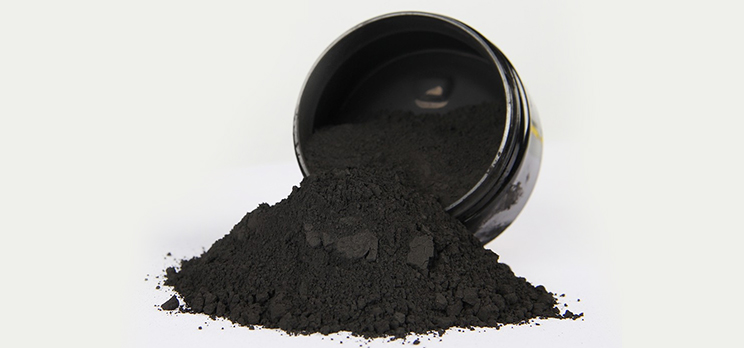
Benefits of coconut charcoal ash for plants, making it a valuable natural resource in organic gardening and sustainable agriculture. In addition to its agricultural benefits, coconut shell charcoal briquettes are widely used as eco-friendly fuel sources. After burning, the resulting ash remains a powerful tool that gardeners and farmers can utilize to naturally boost their soil’s fertility and overall health.
Applying coconut charcoal ash to soil offers numerous benefits for farmers and gardeners seeking healthier and more productive plants. Its unique nutrient content, soil conditioning abilities, and capacity to support beneficial microorganisms all contribute to improved soil structure and plant vigor.
Benefits of Coconut Charcoal Ash for Plants
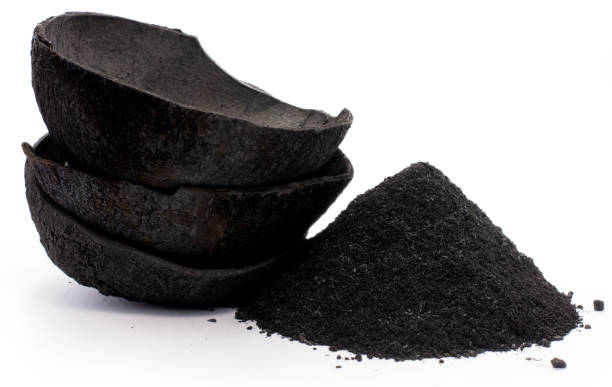
As an Organic Fertilizer
Source of Nutrients
Potassium helps regulate water uptake and strengthens the plant’s resistance to diseases, while phosphorus supports root development and energy transfer within the plant. Calcium contributes to cell wall strength, promoting sturdier stems and better fruit quality. These nutrients encourage plants to grow stronger, develop more flowers and fruits, and increase their ability to produce proteins and carbohydrates.
Increases Soil pH
Many soils tend to become acidic over time due to natural processes or excessive use of chemical fertilizers. Coconut charcoal ash has an alkaline nature, making it effective in raising soil pH levels. By neutralizing overly acidic soils, it creates a more balanced and suitable environment for plant roots to absorb nutrients efficiently. This adjustment also helps reduce the toxicity of certain metals found in acidic soils, further protecting plants from potential harm.
As a Soil Conditioner
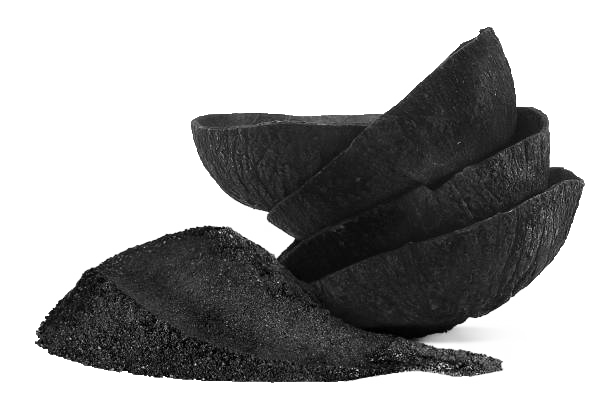
Improves Soil Structure
The physical properties of coconut charcoal ash help improve soil texture and aeration. When mixed into the soil, the ash increases porosity, allowing water and air to circulate more freely around plant roots. This helps prevent waterlogging and root rot, which are often caused by poor drainage and lack of oxygen in the soil.
Maintains Moisture
One of the key features of coconut charcoal ash is its ability to absorb and retain water. It acts like a natural sponge, holding moisture within the soil and releasing it gradually to plant roots. It helps maintain consistent soil moisture, particularly during dry spells, reducing water stress and promoting better plant survival and growth.
Supports Microorganisms
With its porous texture, coconut charcoal ash offers a favorable habitat for beneficial soil microorganisms, such as decomposing bacteria and fungi. These microbes play vital roles in breaking down organic matter, recycling nutrients, and improving soil fertility. By encouraging the growth of these helpful microorganisms, coconut charcoal ash contributes to a healthier soil ecosystem that sustains plant growth over time.
Plant Protection
Absorbs Toxins
Coconut charcoal ash acts as an effective natural absorber of toxins, chemicals, and pesticide residues in the soil. By trapping these harmful substances, the ash prevents them from damaging plant roots or entering the food chain. This property helps maintain a cleaner and safer growing environment for both plants and consumers.
Suppresses Diseases
Certain compounds in coconut charcoal ash inhibit the growth of plant pathogens, including fungi and harmful bacteria that cause diseases. Applying the ash to soil or directly on plants reduces the risk of infections that can weaken or kill crops, ultimately helping farmers achieve higher yields with less chemical intervention.
Controls Weeds and Pests
In addition to its fertilizing and protective effects, coconut charcoal ash can serve as an organic method to control weeds and insect pests. When spread as a thin layer around plants, it acts as a natural barrier that discourages weed seed germination and deters insects without harming beneficial insects or the environment.