Exporting coconut briquettes can be a profitable business, especially with the growing global demand for eco-friendly fuel. However, beginners often face challenges due to the complexity of export procedures. Therefore, understanding coconut briquette export procedures step by step is essential to ensure smooth operations and avoid costly mistakes. By following a structured process, exporters can manage their business more efficiently and meet international standards. For a broader overview, you can explore this guide on coconut briquette export requirements before starting your export journey.
1. Preparing the Business Foundation
The first step in the export process is establishing a legally registered business. Exporters must obtain a business identification number and complete all required registrations. In addition, proper legal setup ensures that the business can operate internationally without restrictions.
Building Operational Readiness
After registration, exporters should prepare their operational systems, including production, storage, and logistics planning. This step ensures that the business is ready to handle export demands efficiently.
2. Preparing Product and Quality Standards
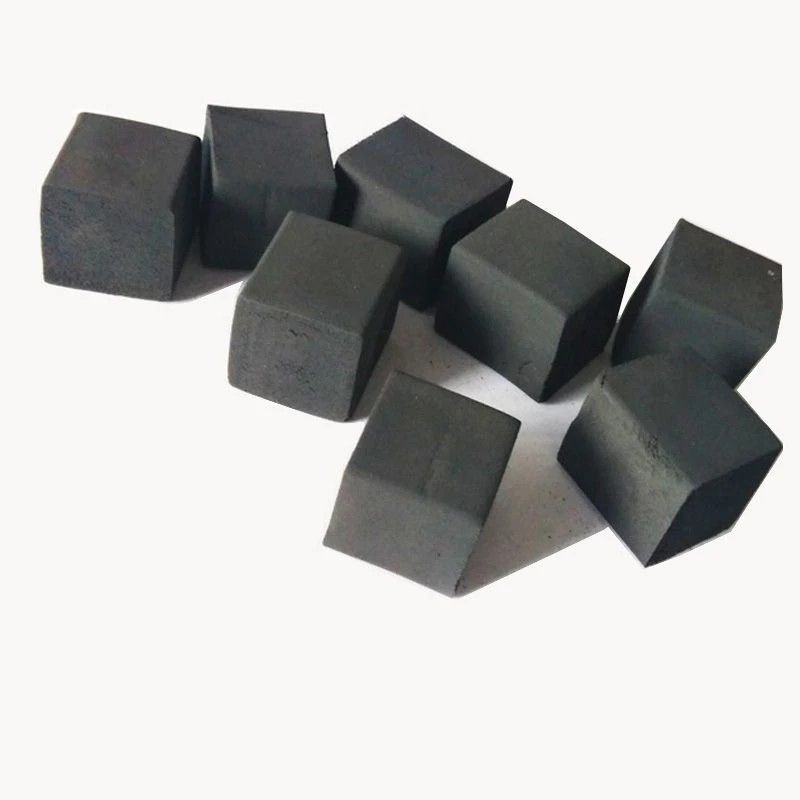
Coconut briquettes must meet international quality standards such as low moisture content, minimal ash, and high calorific value. These specifications are important to satisfy buyer expectations.
Using reliable coconut shell charcoal briquette materials helps maintain product consistency. As a result, exporters can build trust with international buyers and increase repeat orders.
3. Completing Export Documentation
Essential Documents
Exporters must prepare key documents such as commercial invoices, packing lists, certificates of origin, and bills of lading. These documents are required for customs clearance and shipment processing.
Ensuring Accuracy
All documents must be accurate and consistent. Any mismatch can lead to delays or additional inspections. Therefore, careful verification is necessary before submission.
4. Handling Export Licensing and Permits
Exporters must apply for the necessary export licenses from relevant authorities. This step ensures that the business is legally authorized to ship goods internationally.
In addition, exporters must comply with all legal and regulatory requirements, including product and safety standards. As a result, proper licensing helps prevent legal issues and ensures smooth operations.
5. Managing Packaging and Shipping Preparation
Proper Packaging Techniques
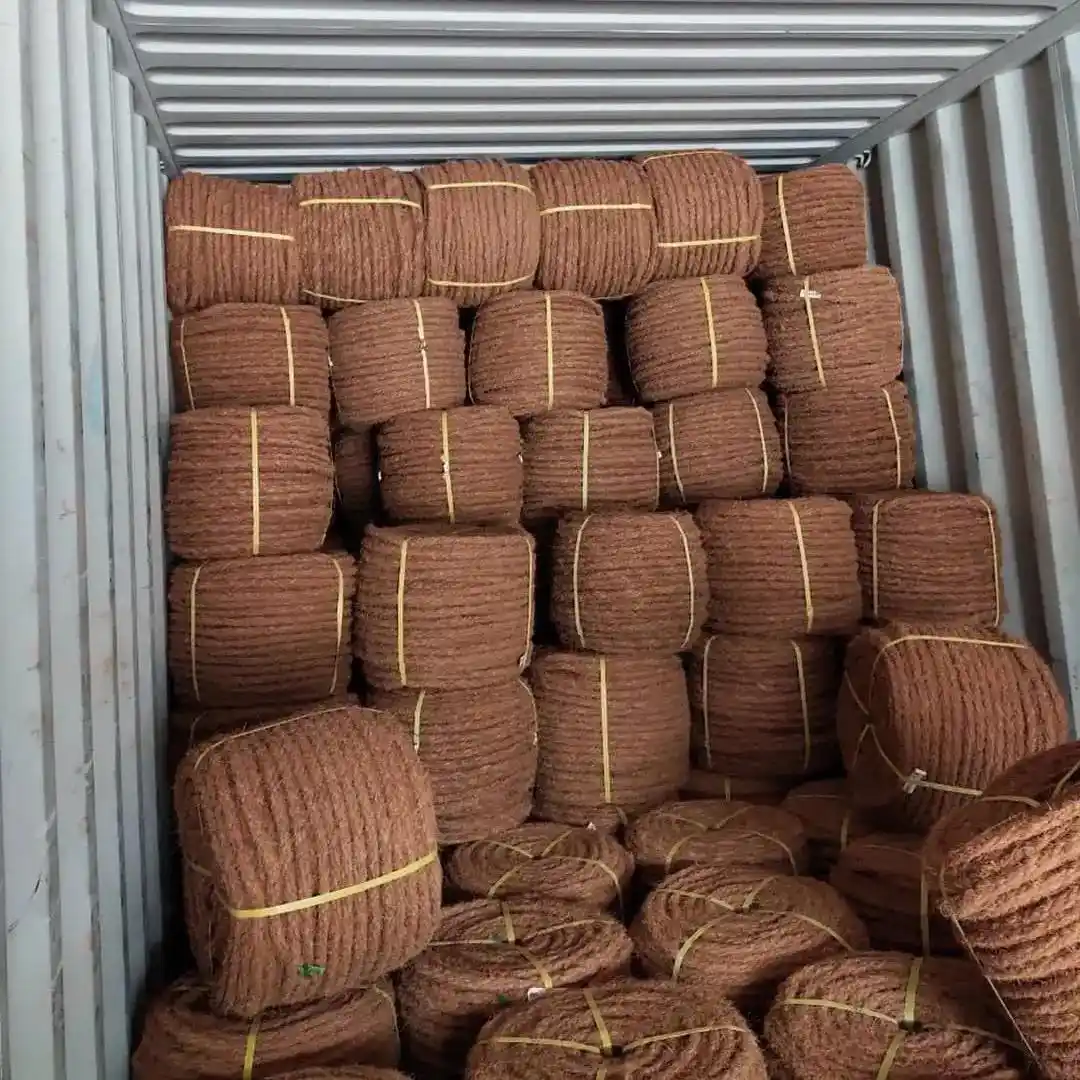
Packaging must protect coconut briquettes from damage and moisture. Strong cartons combined with inner plastic packaging are commonly used to maintain product quality.
Exporters must also ensure proper container loading, ventilation, and handling. These factors help prevent damage during transportation and ensure safe delivery.
6. Customs Clearance Process
Exporters must submit all required documents to customs authorities for verification. This process ensures that the shipment complies with regulations.
Inspection and Approval
Customs may conduct inspections before approving shipment release. Therefore, exporters must ensure that all details are accurate and meet standards.
7. Delivery and Post-Export Management
Once approved, the shipment is transported to the destination country. Exporters must monitor the shipping process to ensure timely delivery.
Maintaining Buyer Relationships
After delivery, maintaining communication with buyers is important. This helps build long-term partnerships and ensures future business opportunities.
Conclusion
In conclusion, understanding coconut briquette export procedures step by step is essential for beginners entering international trade. From business preparation and product quality to documentation and shipping, each step plays a crucial role. Ultimately, by following a structured process, exporters can reduce risks, improve efficiency, and achieve long-term success in global markets.