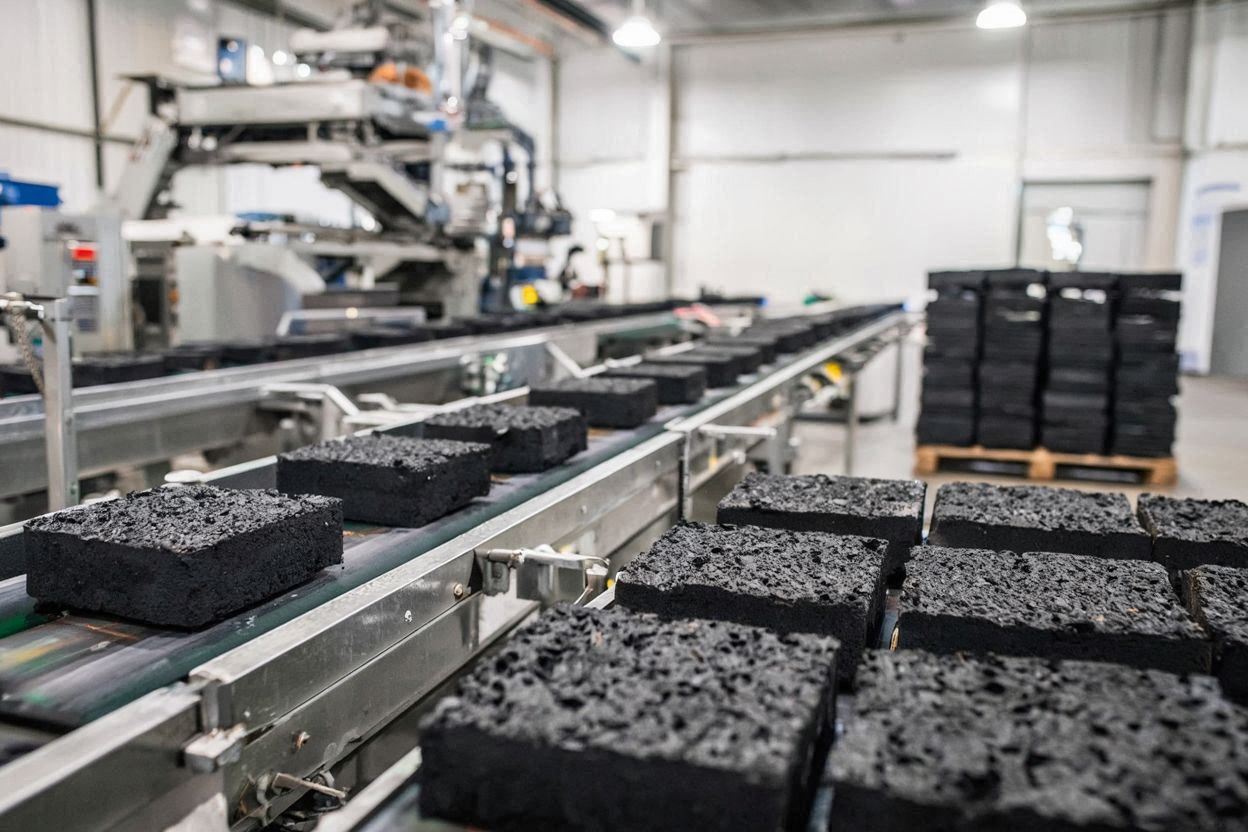
Coconut shell charcoal briquette factory plays an important role in producing sustainable fuel for international markets. Many industries now depend on coconut charcoal briquettes because they offer stable heat, long burning time, and minimal smoke during use.
With the growing popularity of eco friendly energy sources, factories that specialize in coconut shell charcoal briquettes continue to expand their production capacity. These facilities transform coconut shell waste into high value fuel products that meet international demand.
Global Demand for Coconut Shell Charcoal Briquettes
The international market for coconut shell charcoal briquettes has grown rapidly in recent years. Countries in the Middle East, Europe, and North America regularly import large quantities of briquettes for shisha lounges and barbeque businesses.
Shisha lounges prefer coconut charcoal because it burns consistently without altering the flavor of tobacco. As a result, customers can enjoy longer sessions with steady heat and minimal ash.
At the same time, restaurants and barbeque businesses also rely on these briquettes because they maintain stable cooking temperatures and support efficient grilling operations.
Advantages of Coconut Shell Charcoal Briquettes
Coconut shell charcoal briquettes offer several advantages compared to traditional charcoal products. One of the main benefits is their high carbon content, which allows the briquettes to generate strong and consistent heat.
Another important advantage is the low ash residue produced during combustion. Since the briquettes create less ash, they help keep cooking equipment cleaner and easier to maintain.
Premium products from a trusted coconut charcoal briquette supplier are also typically produced without chemical additives, making them a cleaner fuel option for commercial and personal use.
Production Process Inside a Briquette Factory
The production process begins with the collection of coconut shells, which are commonly available as agricultural waste. Instead of being discarded, these shells become raw materials for charcoal production.
Factories carbonize the coconut shells through a controlled burning process to produce charcoal. Workers then crush the charcoal into fine powder before preparing it for briquette molding.
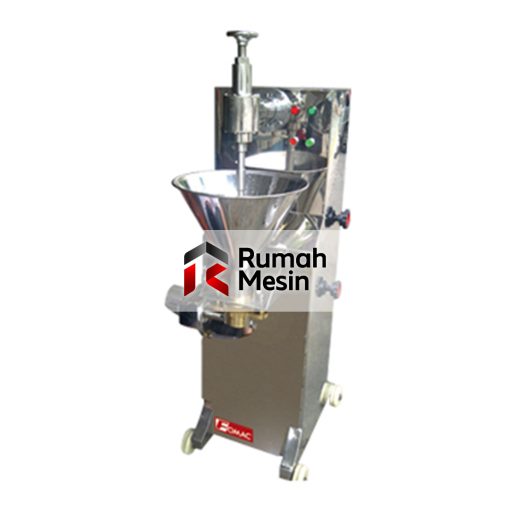
After mixing the charcoal powder with a natural binder, machines compress the material into briquette shapes such as cubes, hexagonal pieces, or pillow forms. The briquettes are then dried and inspected to ensure consistent quality.
Quality Control and Export Standards
A professional coconut shell charcoal briquette factory must maintain strict quality control procedures throughout the production process. These procedures ensure that the briquettes meet international standards for moisture content, density, and burning performance.
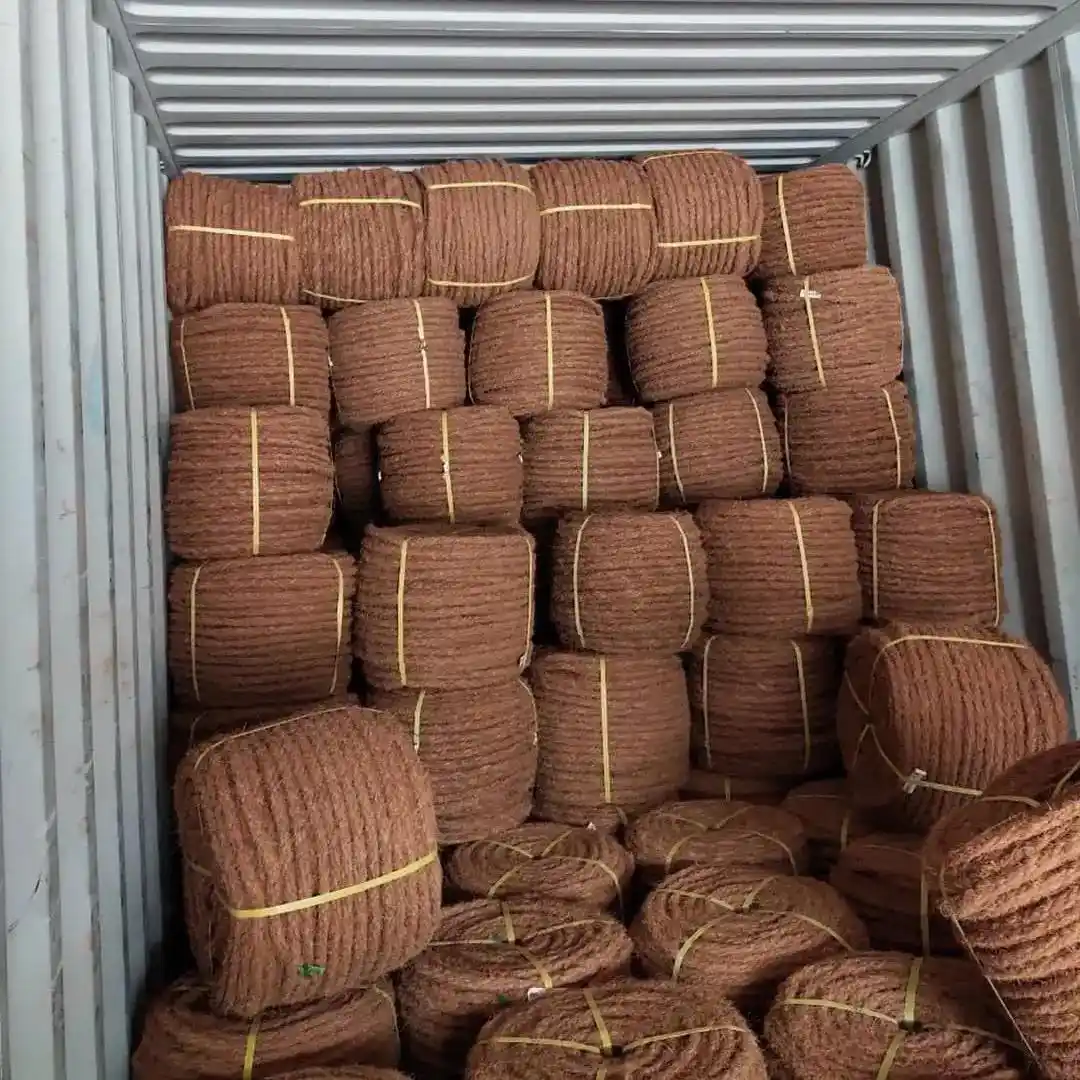
Factories also conduct regular product inspections before packaging and shipping. Proper packaging protects the briquettes from moisture and damage during transportation.
Businesses interested in learning more about export ready charcoal briquettes can visit jacoid.com, which provides information about product specifications and international supply capabilities.
Future Opportunities in the Charcoal Industry
The global charcoal market continues to expand as industries look for cleaner and more sustainable fuel alternatives. Coconut shells provide a renewable raw material that supports environmentally responsible production.
Because of this growing demand, coconut shell charcoal briquette factories have strong opportunities to expand production and reach new international markets.
With increasing awareness of sustainable energy sources, the role of a coconut shell charcoal briquette factory will remain essential in supporting global fuel needs while utilizing agricultural waste efficiently.