
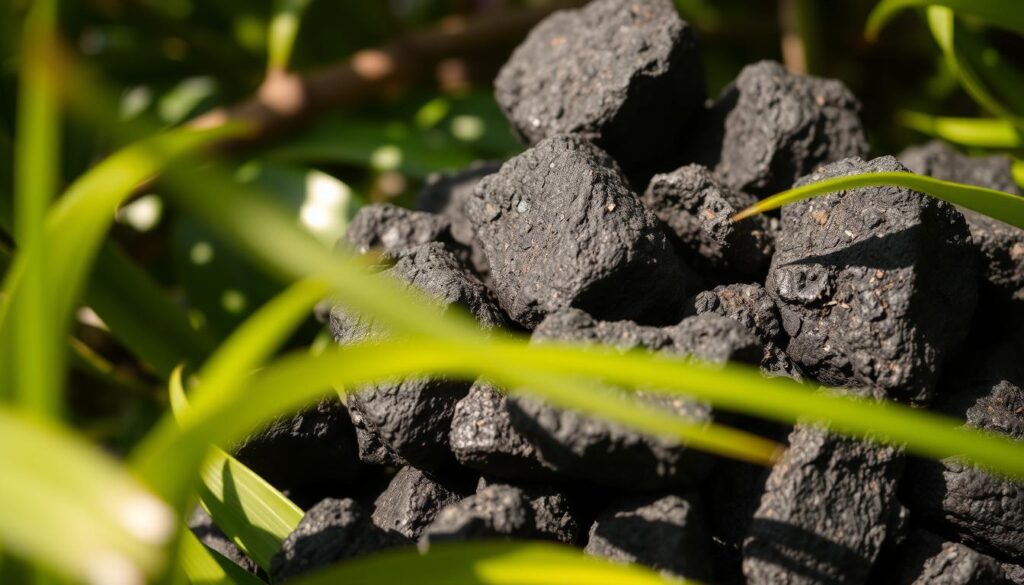
For cooking, heating, and certain industrial purposes, charcoal briquettes provide a reliable and versatile source of fuel. They are made from carbonized organic materials compressed into uniform shapes, providing a longer-lasting and cleaner burn compared to loose charcoal. Understanding how to make charcoal briquettes, especially coconut shell charcoal briquette, not only empowers individuals to create their own fuel sustainably but also helps reduce waste from agricultural byproducts.
Materials Needed for Charcoal Briquettes
To make charcoal briquettes, several key materials are required:
-
Raw charcoal or biomass – Common sources include wood chips, coconut shells, sawdust, or other plant residues.
-
Binder – A natural sticky substance, such as starch, molasses, or clay, helps hold the briquette together.
-
Water – Used to mix with the binder and raw materials to form a moldable paste.
-
Mold or press – A device to shape the mixture into uniform briquettes.
By selecting renewable raw materials, such as coconut shells or agricultural residues, you can make charcoal briquettes in an environmentally friendly way.
Preparing the Charcoal
The process of making charcoal briquettes begins with the preparation of raw charcoal. If using wood or coconut shells, they must be carbonized in a low-oxygen environment, a process known as pyrolysis. Through the elimination of moisture and volatile compounds, charcoal with a high carbon content is produced. After carbonization, grind the charcoal into a fine powder to improve the briquette’s density and burning efficiency.
Mixing the Ingredients
Once the charcoal powder is ready, mix it thoroughly with a binder. Start by combining the powdered charcoal with a small amount of water and binder to form a thick paste. The consistency should be firm enough to hold its shape but moist enough to press into molds. Additional ingredients, such as sawdust or rice husks, can be added to improve texture and reduce cracking during drying.
Molding the Briquettes
The next step in how to make charcoal briquettes is shaping the mixture. Use a mold or a manual press to form uniform briquettes. Common shapes include cylinders, squares, or hexagons. Consistent size and shape are important to ensure even burning. Once molded, allow the briquettes to rest and harden slightly before the drying process.
Drying and Curing
Benefits of Making Your Own Charcoal Briquettes
Learning how to make charcoal briquettes has multiple advantages. First, it allows individuals to recycle agricultural or organic waste, reducing environmental pollution. Second, homemade briquettes are cost-effective and customizable in terms of size, shape, and burn time. Finally, it provides a renewable energy source that burns cleaner and produces less smoke than traditional wood charcoal, contributing to healthier indoor air quality.
Conclusion
Making charcoal briquettes is a practical and sustainable skill that combines recycling, energy production, and environmental responsibility. By following the steps of carbonizing raw materials, mixing with a binder, molding, and drying, anyone can produce efficient fuel for cooking, heating, or industrial purposes. Understanding how to make charcoal briquettes empowers households and communities to use resources wisely while promoting eco-friendly energy solutions.