Is coconut charcoal safe becomes a crucial question for consumers and distributors worldwide. Many users seek cleaner and healthier fuel alternatives. Therefore, understanding safety factors helps businesses build trust. Moreover, proper knowledge improves product positioning in competitive markets.
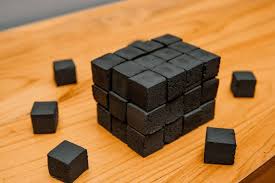
Coconut charcoal comes from carbonized coconut shells. Manufacturers process natural waste into high density briquettes. As a result, the product contains no harmful wood additives. In addition, quality production reduces unwanted chemical residues.
Is Coconut Charcoal Safe for Grilling and Cooking?
Is coconut charcoal safe for food preparation? Yes, when producers follow proper carbonization standards. First, they burn coconut shells under controlled oxygen levels. Consequently, the process removes volatile compounds effectively.
Moreover, high quality briquettes contain low moisture and minimal ash. Therefore, they produce less smoke during combustion. Cleaner burning protects food flavor and air quality. In addition, consistent heat improves cooking precision.
However, users must ensure proper ventilation while grilling. Even natural charcoal releases carbon monoxide. Therefore, always cook in open or well ventilated spaces. This precaution guarantees safe usage at all times.
Is Coconut Charcoal Safe Compared to Traditional Charcoal?
Is coconut charcoal safe compared to wood based alternatives? Many experts consider it cleaner and more efficient. First, coconut shells create dense charcoal with higher fixed carbon. Consequently, the briquettes burn longer and more evenly.
Furthermore, coconut based briquettes usually produce lower ash levels. Less ash reduces airborne particles during use. As a result, users experience a cleaner environment.
Nevertheless, safety depends on production quality. Manufacturers must avoid synthetic binders. Therefore, buyers should verify product specifications carefully.
Indoor vs Outdoor Safety
Outdoor use provides better air circulation. Therefore, it significantly reduces gas accumulation risks. Indoor use requires strong ventilation systems. Consequently, users must remain cautious and responsible.
Safe Usage Guidelines and Best Practices
Users must follow structured guidelines to maximize safety. First, store briquettes in dry conditions. Moisture can cause unstable ignition. Next, ignite the briquettes using proper burners or starters. Avoid excessive lighter fluids.
If you want detailed guidance, review coconut charcoal how to use before starting. Proper techniques ensure complete combustion. Moreover, correct ignition reduces smoke significantly. As a result, users maintain safer indoor and outdoor environments.
Additionally, always handle hot briquettes with metal tongs. Direct contact may cause serious burns. After use, allow the charcoal to cool naturally. Consequently, you prevent accidental fires.
Business Transparency and Product Credibility
Answering the question is coconut charcoal safe strengthens brand credibility. Businesses must provide clear product specifications. In addition, transparent sourcing builds long term trust. Therefore, distributors gain competitive advantages.
You can explore more igaffiliatemedia.com The platform shares strategies for promoting safe and sustainable products. Moreover, it helps businesses improve online visibility. Consequently, suppliers can reach broader international audiences.
By combining product safety and effective marketing, companies create strong brand authority. This approach increases consumer confidence steadily.
Conclusion
Is coconut charcoal safe depends on production quality and proper usage. High quality briquettes offer cleaner combustion and stable heat. Moreover, correct handling ensures safe grilling and hookah sessions. Therefore, businesses that prioritize quality control and education can confidently supply sustainable fuel solutions to global markets.