
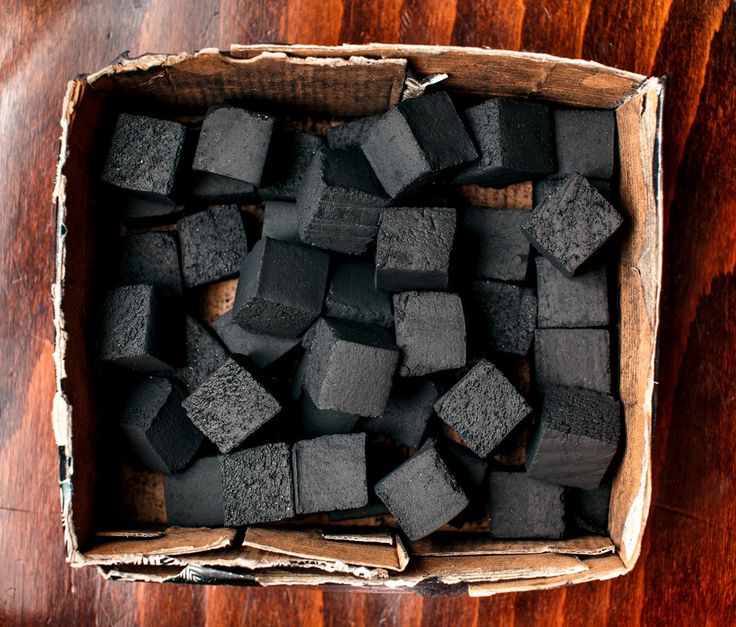
Why Briquettes Can Be Used as an Alternative Energy Source, fossil fuel depletion, and rising energy costs, alternative energy sources are becoming more important than ever. Among these, the coconut shell charcoal briquette stands out as an eco-friendly and efficient fuel option.
Made from agricultural waste, briquettes offer a sustainable energy solution that reduces dependence on traditional fuels such as coal, firewood, and gas. Their growing popularity stems from their affordability, environmental benefits, and versatility in both domestic and industrial use.
Why Briquettes Can Be Used as an Alternative Energy Source
1. Eco-Friendly and Sustainable
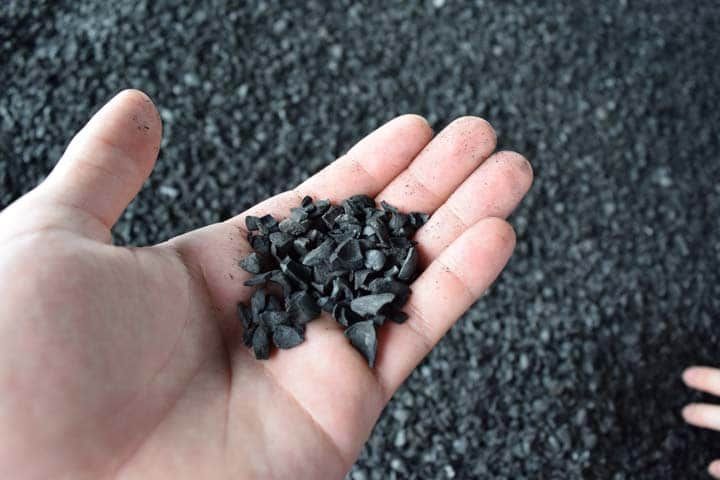
Briquettes are typically made from renewable biomass materials, such as coconut shells, sawdust, rice husks, or agricultural residues. Using these waste products not only reduces landfill waste but also prevents open burning, which can release harmful gases into the atmosphere.
In the case of coconut shell briquettes, the raw materials are abundant in tropical regions, making them a sustainable option for fuel production. The process of turning waste into energy supports circular economy principles by giving agricultural byproducts a second life.
2. Lower Carbon Emissions
Compared to traditional coal, briquettes produce fewer greenhouse gas emissions when burned. This is because biomass briquettes are carbon-neutral, the carbon dioxide released during combustion is roughly equal to the amount absorbed by the plants during their growth. By replacing coal and firewood with briquettes, households and industries can significantly reduce their carbon footprint while still enjoying a reliable energy source.
3. High Energy Efficiency
One of the main reasons briquettes are an excellent alternative fuel is their high calorific value. For example, coconut shell briquettes are known for their dense composition, which allows them to burn longer and produce more consistent heat.
This makes them suitable for a wide range of uses, including cooking, heating, grilling, and even industrial furnaces. Their uniform size and shape also make them easier to handle and store compared to irregular firewood.
4. Cost-Effective Fuel Option
Briquettes are often more affordable than other energy sources, especially in regions where the raw materials are readily available. Production costs are relatively low, and the manufacturing process can be scaled to fit different budgets—from small home-based setups to large industrial plants. For consumers, the longer burn time and consistent heat output mean less fuel is required for the same amount of work, resulting in additional cost savings.
5. Versatility in Applications
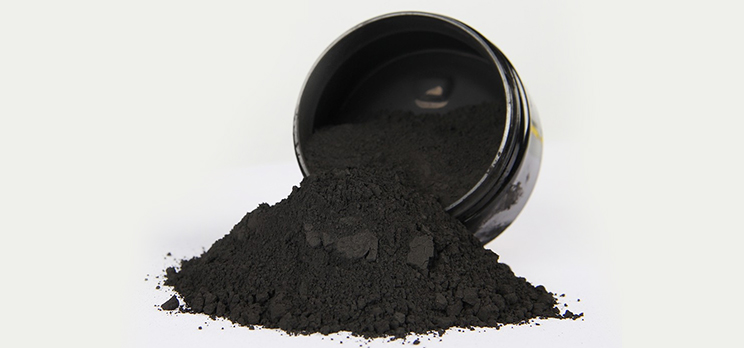
Briquettes can be used in various settings, from household stoves and BBQ grills to industrial boilers and kilns. Coconut shell charcoal briquettes, for instance, are widely used in shisha lounges because they burn evenly, produce minimal smoke, and leave very little ash. Their adaptability makes them appealing to different markets, increasing their potential for both domestic consumption and export.
6. Reduced Deforestation
Relying on briquettes as an energy source helps reduce the demand for firewood, which in turn lessens deforestation. Since many briquettes are made from agricultural byproducts rather than timber, they offer a renewable fuel alternative that preserves forests and the biodiversity they support. This environmental benefit further strengthens the case for briquettes as a sustainable energy solution.
Conclusion
Briquettes, particularly those made from coconut shells, offer a clean, efficient, and sustainable alternative to conventional fuels. They help reduce carbon emissions, make use of agricultural waste, and support both environmental conservation and local economic development.
With their high energy output, cost-effectiveness, and wide range of applications, briquettes are more than just a substitute for coal or firewood—they are a practical step toward a greener and more sustainable energy future.